To lose fat without losing muscle on GLP-1s, aim for 1 gram of protein per pound of goal body weight each day, focus on resistance training three times a week using compound movements, and maintain a 10-15% calorie deficit. This approach helps preserve lean mass, supports metabolic health, and reduces the risk of weight regain after stopping the medication.
Here's a number that doesn't make it into the marketing for GLP-1 weight-loss drugs: in the STEP-1 and SURMOUNT-1 trials, 25 to 40 percent of the weight lost by participants was lean mass, not fat. For some patients it was even higher.
Lean-mass loss isn't unique to GLP-1s , any calorie deficit will produce some. But the magnitude of loss on these drugs makes the risk material. A patient who loses 40 pounds and 15 of them are muscle ends up smaller but metabolically worse off, with weaker bones, lower resting metabolic rate, and a body that will rebound weight faster the moment they stop the medication.
The good news: muscle loss is largely controllable. Here's what the literature and clinical experience say about doing it right.
Protein, in real numbers.
The single highest-leverage variable is protein intake. The targets that hold up in the muscle-preservation literature:
- 1.0 g protein per pound of target body weight per day is a strong default. For a patient targeting 160 lb, that's 160 g/day.
- 30 to 40 g protein at the first meal of the day. Distributing protein across meals (not loading it all at dinner) improves muscle protein synthesis.
- Leucine matters. Whey, eggs, chicken, and beef are leucine-dense and trigger muscle protein synthesis more effectively than plant sources at the same gram count.
The challenge on a GLP-1 isn't picking the protein. It's actually eating it when your appetite is suppressed. Practical tactics:
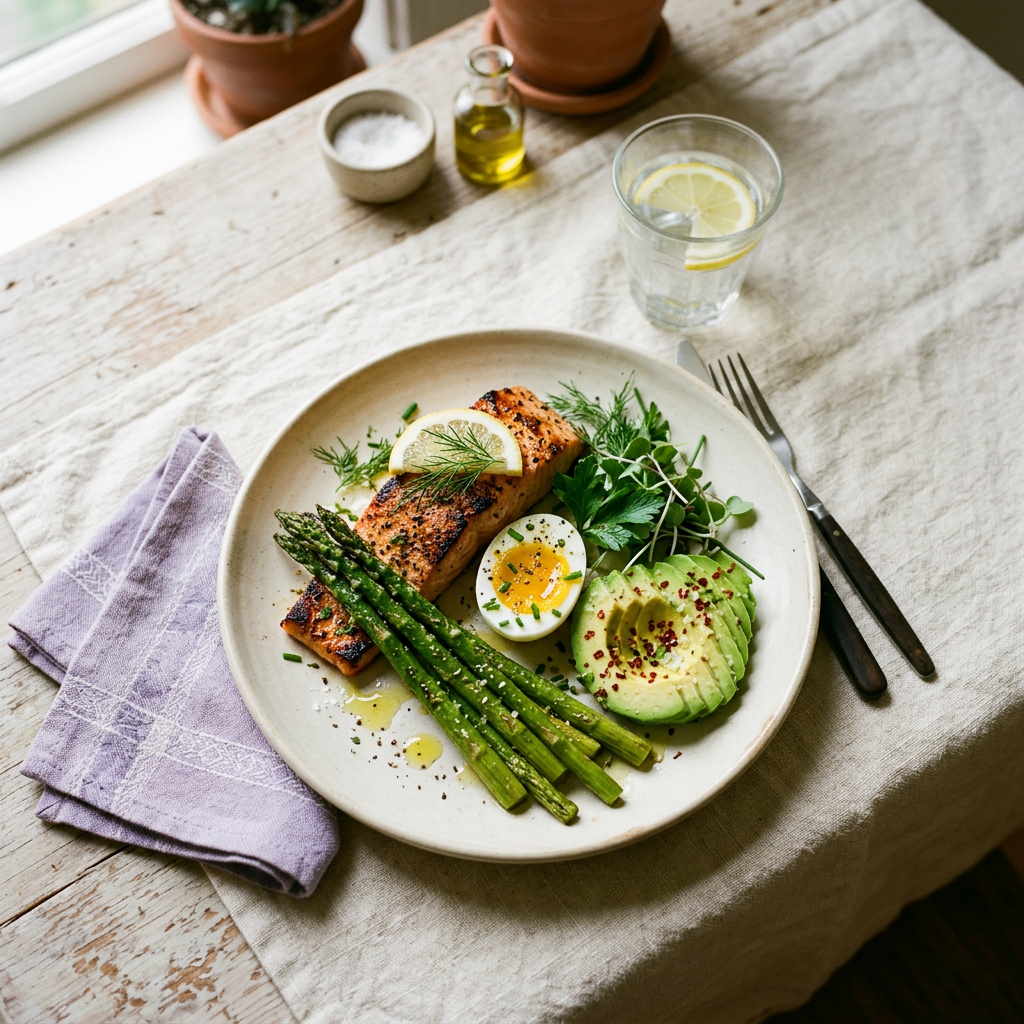
- Start every meal with the protein first. If you fill on rice and bread, you won't get to the chicken.
- A 30 g protein shake on rough-appetite days is a worthwhile fallback.
- Greek yogurt, cottage cheese, and shaved deli meat are easy snacks when the appetite isn't there.
Resistance training is non-negotiable.
Walking is great for cardiovascular health and not very useful for muscle preservation. The signal that tells your body to keep muscle during a caloric deficit is resistance training.
Realistic minimum:
- 3 sessions per week of full-body resistance training, 45 to 60 minutes each.
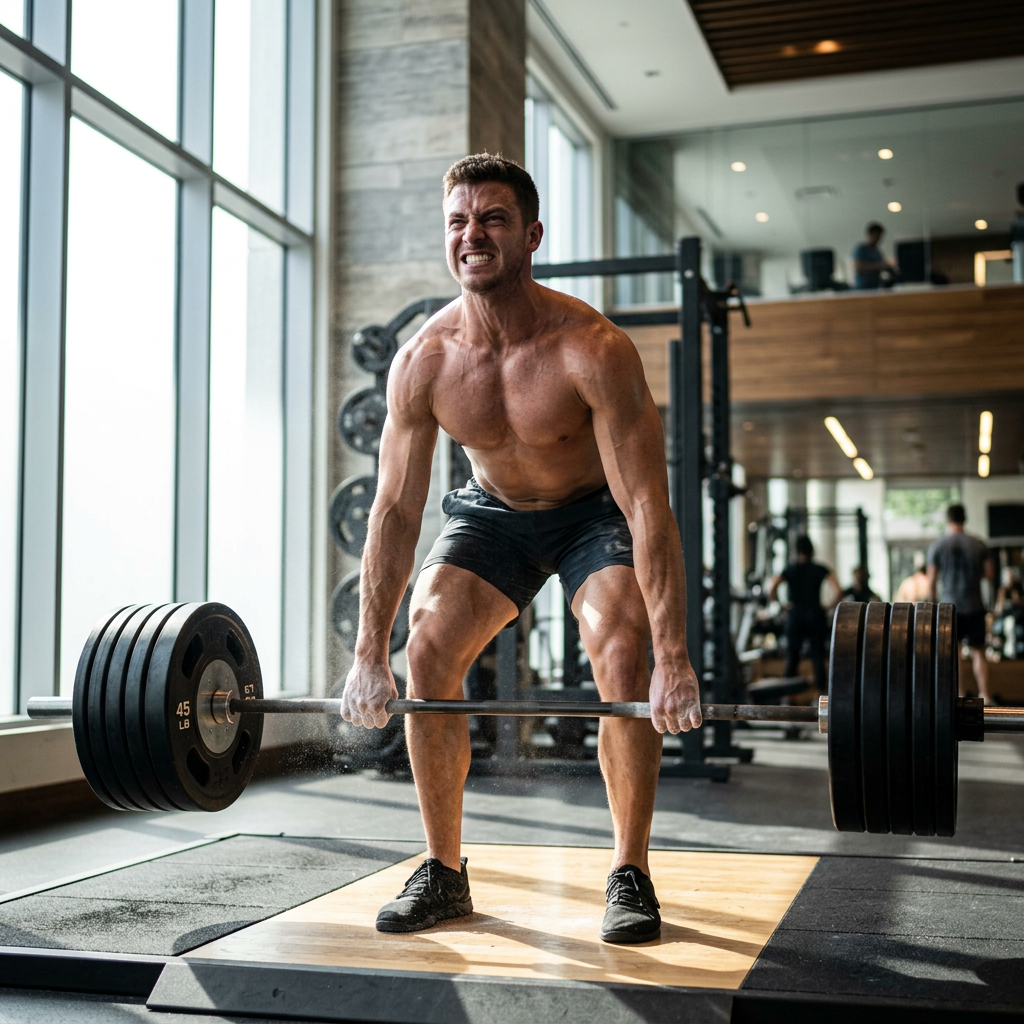
- Compound movements as the foundation: squat or leg press, hinge (deadlift, RDL, hip thrust), upper push (bench, overhead press), upper pull (row, lat pulldown).
- Sets in the 6 to 10 rep range with a weight you'd fail at 12. Heavy enough to send the keep-this-muscle signal.
Patients who do this preserve significantly more lean mass through GLP-1 loss than patients who only walk or only do bodyweight workouts. It's a robust finding.
Pace matters.
Losing 1.5 to 2 lb per week is the sweet spot for body recomp. Faster than that and the body sheds more lean mass. If you're losing 4+ lb per week consistently:
- Your protein and calorie intake may be too low.
- The dose may need to come down or hold steady longer.
- You may be underestimating water-weight effects in the early weeks.
We watch this with our patients. Aggressive early loss looks like a win and usually isn't.
What "the rebound" actually is.
The reason GLP-1 patients regain weight after stopping isn't because the drug is magic. It's because they ended treatment with a meaningfully lower resting metabolic rate (from lost muscle) and a meaningfully smaller body that requires fewer calories. Eat the same way you ate at 200 lb when you're now metabolically a 170-lb person with less muscle, and you rebound.
The patients who don't rebound:
- Preserved muscle through the loss.
- Built habits during the loss that work at the new body size.
- Came off the drug slowly with their clinician's guidance.
Monitoring that matters.
Scale weight alone is the worst measurement on a GLP-1. Better:
- DEXA or InBody scan at baseline and every 3 months. You want fat mass dropping faster than lean mass.
- Waist circumference monthly.
- Strength markers. Your training weights should hold steady or trend up, not collapse.
- Bloodwork. HbA1c, lipids, liver enzymes, ferritin.
The before/after photo is the easy part. The body composition behind the photo is what determines whether you keep the result.
References
- Eisa N et al. Lean Mass Changes With Incretin Therapy Versus Lifestyle Intervention: A Systematic Review and Meta-Analysis of Randomised Controlled Trials. Diabetes Obes Metab. 2026. Source
- Mechanick JI et al. Strategies for minimizing muscle loss during use of incretin-mimetic drugs for treatment of obesity. Obes Rev. 2025. Source
Compounded GLP-1, optimized for body recomp.
DirectCare AI builds GLP-1 protocols with protein targets, resistance-training cadence, and quarterly DEXA-style monitoring so your loss is fat, not muscle.
See if you qualify →Editorial disclosure: This article is for informational purposes only and does not constitute medical advice. All treatments at DirectCare AI are prescribed by US-licensed clinicians based on individual medical evaluation. Compounded medications are not FDA-approved and are not reviewed by the FDA for safety, effectiveness, or quality. Always consult a US-licensed clinician before starting or changing any therapy.