Is women's hair loss different from men's?
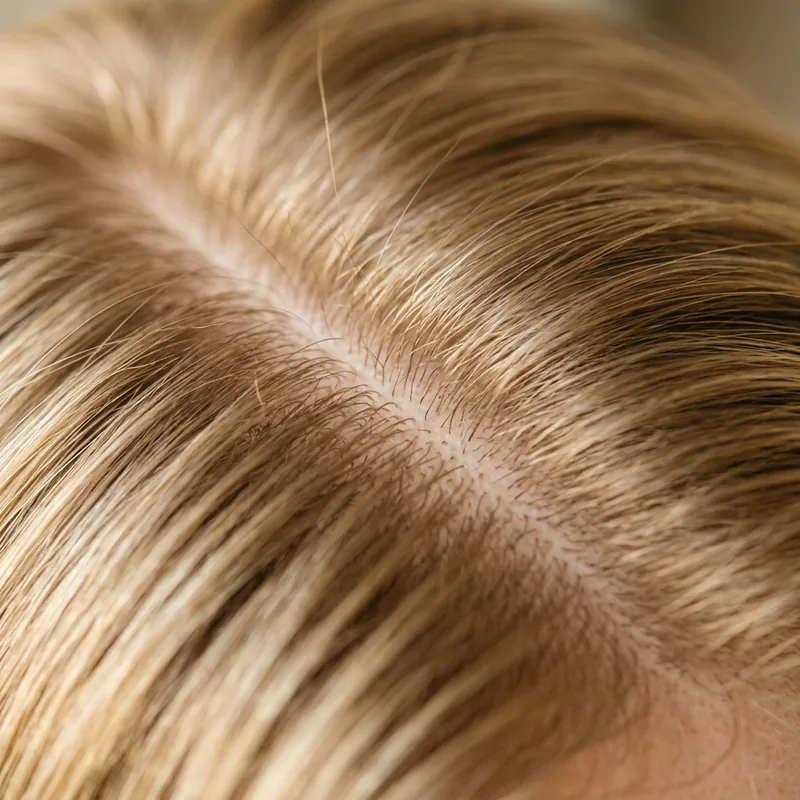
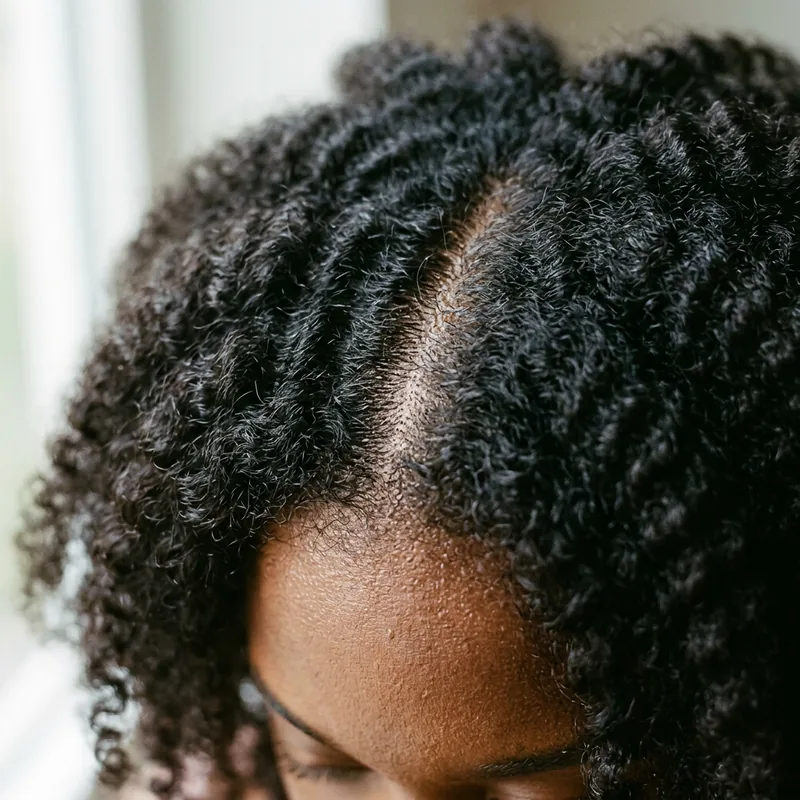
Yes, structurally and hormonally. Female-pattern hair loss (FPHL) is more diffuse — thinning across the crown and top with preserved hairline. Male-pattern recedes the hairline and crown to baldness. Drivers also differ: women's hair loss includes androgens, iron deficiency, thyroid, and the estradiol decline of perimenopause (NEJM Clinical Practice 2017).
Why is hormonal testing important for women's hair loss?
Without testing, you're guessing. Common drivers: ferritin (iron stores) <70 ng/mL, thyroid dysfunction (TSH out of range), elevated androgens (PCOS), low estradiol (perimenopause/menopause). The right protocol depends on which of these is active — minoxidil alone may not fix it. Bloodwork is included or added at intake.
What's in the panel?
The hormonal hair-loss panel includes: ferritin, TSH, free T3/T4, total testosterone, free testosterone, SHBG, DHEA-S, estradiol, FSH, prolactin, vitamin D, and CBC with iron studies. Each finding has specific implications for which protocol fits.
How does minoxidil work for women?
Same mechanism as in men: opens potassium channels in scalp vessels, prolongs the hair growth (anagen) phase, increases follicle size. FDA-approved 5% topical or oral low-dose (1.25-2.5mg daily) — oral often outperforms topical in trials (multiple JAMA Dermatology RCTs 2020-2023).
Why prescribe spironolactone?
Spironolactone is an androgen-receptor blocker — used at 50-200mg daily for women with FPHL when androgens are part of the picture (clinically suspicious symptoms or labs showing elevated total/free testosterone or DHEA-S). It's been used in dermatology for hair loss and hormonal acne for decades; FDA approval is for blood pressure and aldosterone effects (off-label for hair loss).
Can I take spironolactone with HRT?
Yes — they work on different pathways. HRT (estradiol, progesterone, and sometimes low-dose testosterone) addresses the perimenopausal hormone decline. Spironolactone blocks the androgens that miniaturize hair follicles. Many women take both, especially when the hair loss has a strong androgenic pattern (vertex thinning, slight hairline recession).
What's topical dutasteride?
Dutasteride is a more potent 5-alpha-reductase inhibitor (blocks both Type 1 and Type 2 enzymes, vs finasteride which only blocks Type 2). Compounded topical 0.05-0.1% applied to scalp delivers anti-androgen action locally with minimal systemic exposure. Used selectively when oral spironolactone isn't an option.
How does iron deficiency cause hair loss?
Hair follicles are metabolically active and prioritize iron — when ferritin drops below ~70 ng/mL (well above the lab 'low' cutoff of 30), the body diverts iron from non-essential tissue (including hair follicles) to critical functions. Restoring ferritin to 70+ via supplementation typically restores hair growth within 3-6 months.
Does perimenopause cause hair loss?
Yes. Estradiol decline removes a protective effect on hair follicles, and the relative shift toward androgens (lower estrogen + relatively stable testosterone) accelerates miniaturization. HRT addressing the estradiol decline often partly reverses perimenopausal hair thinning, especially in the first 1-2 years of menopause.
How long until I see results?
Mild shedding can occur in weeks 1-8 (existing weak hairs releasing). New growth is visible at 3-4 months. Full results take 9-12 months — sometimes 18 months for women with severe iron deficiency where ferritin restoration is also gradual.
Can I get pregnant on these medications?
Spironolactone, finasteride, and dutasteride are contraindicated during pregnancy (can cause birth defects in male fetuses). Minoxidil is also avoided. If you're trying to conceive or are pregnant, we stop treatment and resume after breastfeeding.
Is microneedling effective for women?
Yes — multiple RCTs show microneedling combined with topical minoxidil improves regrowth in female-pattern hair loss. 1.0-1.5mm depth, 1-2x/week, paired with topical minoxidil immediately after. Safe to do at home with proper equipment.
Will biotin help?
Probably not unless you're deficient — which is rare. High-dose biotin supplements are heavily marketed for hair but have no convincing evidence of benefit in non-deficient people, and they can interfere with thyroid lab readings. We address actual deficiencies (iron, vitamin D, zinc) found on bloodwork instead.
What if I have PCOS?
PCOS-related hair loss responds especially well to spironolactone (blocking androgens), often combined with metformin or GLP-1s for the metabolic component. We screen for PCOS via clinical history + DHEA-S + free testosterone + fasting insulin during intake.
Who shouldn't use these protocols?
Pregnancy or actively trying to conceive (most ingredients contraindicated). Severe kidney impairment (spironolactone interaction). Hyperkalemia (spironolactone). Severe liver disease. Each is screened at intake. If protocol isn't appropriate, we offer non-hormonal supportive care and lifestyle/nutrition recommendations.
How much does it cost?
Women's hair regrowth is $65 for a 4-week plan, $62 a month on the 12-week plan (billed $186), and $59 a month on the 24-week plan (billed $354). Every plan includes your custom-compounded protocol, clinician care and free shipping. Bloodwork is optional at $196 for the comprehensive panel.